In the vast landscape of fitness exercises, few movements hold as much fundamental power and practical application as the squat. Often relegated to the gym floor as a pure strength builder, the squat is, in essence, a reflection of our most basic human functions. From sitting down in a chair to picking up a child or groceries, we perform variations of a squat countless times each day.
Understanding and mastering this foundational movement is not just about sculpting impressive glutes or quads; it’s about unlocking profound benefits for your overall well-being and, crucially, for developing superior daily life squat strength. This comprehensive guide will delve deep into why squats are indispensable, how they empower your everyday activities, and how you can safely and effectively integrate them into your routine to build a more resilient, capable body.
The Foundation: What is a Squat, Really?
At its core, a squat is a full-body, compound exercise that primarily targets the muscles of the lower body, but also engages the core and upper back for stabilization. It involves lowering your hips from a standing position and then standing back up.
While seemingly simple, a proper squat requires a harmonious interplay of numerous muscle groups. These include the quadriceps (front of thighs), glutes (buttocks), and hamstrings (back of thighs), which are the primary movers. Additionally, your adductors (inner thighs), calves, and the entire core musculature work synergistically to maintain balance and spinal integrity throughout the movement.
The squat is often termed a “functional movement” because it mimics natural human patterns vital for independent living. It is a fundamental building block for many other complex movements and exercises.
The Unsung Hero: Why Squats are More Than Just a Gym Exercise
Think about your day. How many times do you perform actions that mirror a squat? When you sit down on the couch, stand up from your desk, bend to tie your shoelaces, or even pick up something heavy from the floor, you’re essentially performing a squat or a variation of one. These seemingly mundane tasks are profoundly impacted by your ability to squat correctly and strongly.
Historically, before chairs and modern conveniences, humans spent significant time in a deep squat position for resting, eating, and even performing bodily functions. This natural, innate movement pattern has unfortunately been lost for many in modern, sedentary societies, leading to a decline in mobility and functional strength. Reclaiming the squat means reclaiming a crucial aspect of our natural physical capabilities.
Profound Physiological Benefits: Building Daily Life Squat Strength from the Ground Up
The benefits of incorporating squats into your fitness regimen extend far beyond aesthetics. They lay a robust foundation for enhanced physical performance and overall health, directly contributing to your daily life squat strength.
- Enhanced Lower Body Strength and Power: Squats are unparalleled for building strength in your quadriceps, glutes, and hamstrings. Stronger legs translate directly into easier climbing of stairs, more powerful walking, and greater ease when lifting heavy objects like moving furniture or carrying children. This foundational strength is crucial for maintaining independence as you age.
- Improved Core Stability: To execute a squat properly, your core muscles (abdominals, obliques, lower back) must engage intensely to stabilize your spine and prevent injury. A strong core is vital for everything from maintaining good posture to preventing back pain and improving balance, making everyday tasks safer and more efficient.
- Better Mobility and Flexibility: Regular squatting, especially to a good depth, helps improve the flexibility of your hips, knees, and ankles. It can counteract the stiffness and limited range of motion often associated with prolonged sitting, enhancing your ability to move freely and comfortably. This improved joint mobility is a key factor in reducing injury risk.
- Bone Density and Joint Health: As a weight-bearing exercise, squats stimulate bone growth and density, which is critical for preventing osteoporosis, particularly as we age. The movement also promotes the production of synovial fluid, which lubricates the joints, nourishes cartilage, and reduces friction, contributing to healthier, more resilient joints.
- Metabolic Boost and Fat Loss: Squats engage some of the largest muscle groups in your body. This significant muscle activation leads to a higher calorie expenditure during and after your workout (EPOC – Excess Post-exercise Oxygen Consumption). Building more muscle mass also increases your basal metabolic rate, meaning you burn more calories at rest, which can aid in fat loss and weight management. Improved insulin sensitivity is another metabolic benefit, helping to regulate blood sugar levels.
Beyond Muscle: Neuromuscular and Psychological Advantages
The impact of squats extends beyond just physical muscle development, touching upon neurological function and mental well-being.
- Improved Balance and Coordination: The dynamic nature of the squat requires constant adjustments to maintain balance. This trains your proprioception – your body’s awareness of its position in space – and enhances overall coordination. For older adults, improved balance is a critical factor in preventing falls and maintaining independent living.
- Enhanced Proprioception: By repeatedly moving through a full range of motion, your brain becomes more attuned to the positions of your joints and muscles. This heightened body awareness can make you more agile and less prone to clumsy accidents in daily life.
- Increased Resilience and Confidence: Consistently performing challenging exercises like squats, and progressively getting stronger, builds not only physical resilience but also mental toughness. The feeling of being physically capable and strong translates into increased self-confidence in all aspects of life, empowering you to tackle daily challenges with greater ease.
- Stress Reduction: Like most forms of physical exercise, squatting can be a powerful stress reliever. The physical exertion helps release endorphins, natural mood elevators, reducing feelings of anxiety and improving overall mental clarity and focus.
Squats for Every Stage of Life: A Universal Movement
The beauty of the squat lies in its adaptability and universal relevance across all age groups.
- Children and Adolescents: Encouraging children to squat naturally helps them develop fundamental movement patterns, build strong bones and muscles, and improve coordination, setting a solid foundation for lifelong physical activity.
- Adults: For adults, squats are essential for maintaining strength, preventing age-related muscle loss (sarcopenia), and preserving functional independence. They combat the negative effects of sedentary lifestyles and keep the body resilient.
- Older Adults: Squats are particularly vital for older adults. Regular squatting can significantly improve mobility, combat muscle atrophy, enhance balance, and reduce the risk of falls, thereby improving quality of life and prolonging independence. Chair squats are an excellent starting point for this demographic.
Integrating Squats for Enhanced Daily Life Squat Strength: Practical Application
To reap the full benefits of squats for superior daily life squat strength, proper technique and progressive integration are key.
1. Mastering Proper Form is Paramount
Before adding weight, perfect your bodyweight squat. Focus on these cues:
- Stance: Stand with feet shoulder-width apart, toes pointing slightly out (about 10-30 degrees).
- Initiate: Start by pushing your hips back as if you’re sitting into a chair.
- Depth: Aim to lower until your thighs are parallel to the floor, or deeper if your mobility allows, while keeping your heels flat. Your chest should remain upright.
- Knee Alignment: Ensure your knees track in line with your toes, not caving inwards.
- Core Engagement: Keep your core tight throughout the movement to protect your spine.
- Head Position: Look straight ahead or slightly down, maintaining a neutral spine.
- Ascend: Drive through your heels and squeeze your glutes as you return to the starting position.
2. Variations for All Levels
- Chair Squats: For beginners or those with mobility issues, squatting to a chair ensures you don’t go too deep initially and provides a target for depth.
- Bodyweight Squats: The foundational movement, excellent for learning form and building endurance.
- Goblet Squats: Holding a dumbbell or kettlebell against your chest helps maintain an upright torso and can aid in balance, making it a great progression from bodyweight.
- Front Squats / Back Squats: Once proficient with bodyweight and goblet squats, these barbell variations are excellent for significant strength gains, but require expert coaching.
3. Progressive Overload
Once you’re comfortable with the form, gradually increase the challenge. This could be by:
- Doing more repetitions or sets.
- Increasing the frequency (more squat workouts per week).
- Adding external resistance (dumbbells, kettlebells, barbells).
- Decreasing rest time between sets.
4. Warm-up and Cool-down
Always prepare your body. A dynamic warm-up (leg swings, hip circles) before squats prepares your joints and muscles. A static cool-down (quad stretch, hamstring stretch, hip flexor stretch) after your workout can improve flexibility and aid recovery.
Common Squat Mistakes and How to Avoid Them
Even with good intentions, several common errors can undermine your squatting efforts and even lead to injury:
- Rounding the Lower Back (“Butt Wink”): This often occurs at the bottom of the squat when hip mobility is limited. It puts undue stress on the lumbar spine. Focus on keeping a neutral spine by engaging your core and potentially reducing squat depth until mobility improves.
- Knees Caving In: Known as valgus collapse, this indicates weak glutes (specifically glute medius) or poor motor control. Actively push your knees outwards throughout the movement, ensuring they track over your toes. Incorporate glute activation exercises.
- Weight Shifting to Toes: This throws off balance and puts excessive strain on the knees. Concentrate on keeping your weight evenly distributed through your midfoot and heels. Imagine “rooting” your feet into the floor.
- Partial Squats: While sometimes used for specific purposes, consistently squatting to only a shallow depth limits the engagement of the glutes and hamstrings, and doesn’t fully exploit the mobility benefits. Aim for parallel or deeper, within your comfortable and safe range of motion.
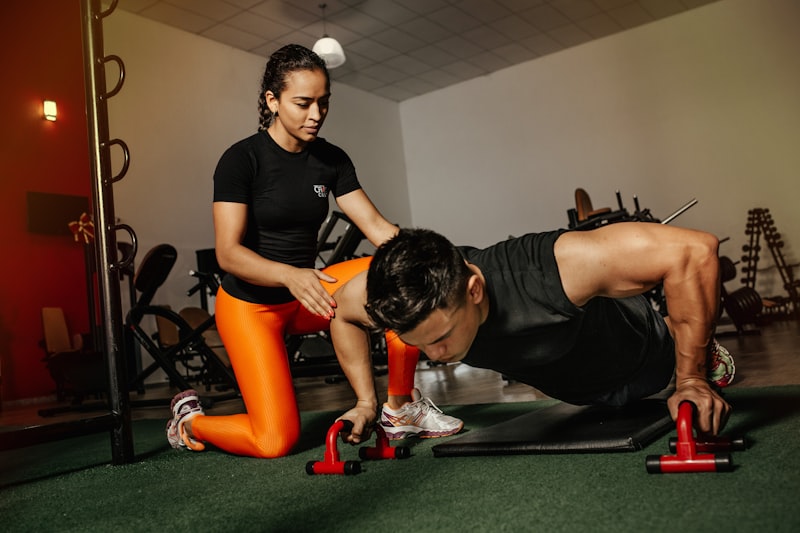
If you’re unsure about your form, consider consulting a certified personal trainer. They can provide personalized feedback and corrections to ensure you’re squatting safely and effectively.
Embrace the Power of the Squat: Your Path to Lasting Daily Life Squat Strength
The squat is far more than a simple exercise; it’s a fundamental human movement, a diagnostic tool, and a potent builder of strength, mobility, and resilience. By consciously integrating proper squatting into your fitness routine, you’re not just training muscles; you’re investing in a lifetime of enhanced functional capacity, improved quality of life, and greater confidence.
From the simple act of standing up to the demanding task of lifting, every movement in your day will feel easier and more powerful as you cultivate your daily life squat strength. Start small, prioritize form over weight, and progressively challenge yourself. Embrace this powerful, primal movement, and unlock a stronger, more capable you, ready to tackle any challenge life throws your way.
Daily Health & Wellness Insights by Vigor Daily 🌿