In a world saturated with restrictive diets and overwhelming nutritional advice, finding a sustainable path to wellness can feel like an uphill battle. Many of us have experienced the yo-yo effect, the guilt, and the eventual burnout that comes from strict dietary rules. What if there was a more balanced, intuitive, and ultimately more effective way to nourish your body and mind?
Enter the powerful concept of the 80/20 rule healthy eating, also known as the Pareto Principle applied to nutrition. This isn’t just another fleeting diet trend; it’s a flexible lifestyle approach designed to foster a positive relationship with food, promote long-term health, and liberate you from the shackles of perfectionism. It’s about consistency over rigidity, progress over perfection, and enjoyment over deprivation.
Understanding the Core Principle of the 80/20 Rule Healthy Eating
At its heart, the 80/20 rule healthy eating suggests that 80% of your food choices should come from nutrient-dense, whole, unprocessed foods, while the remaining 20% can be allocated to more indulgent items or foods enjoyed purely for pleasure. This simple ratio provides a framework for balance without demanding absolute adherence, which is where many conventional diets fail.
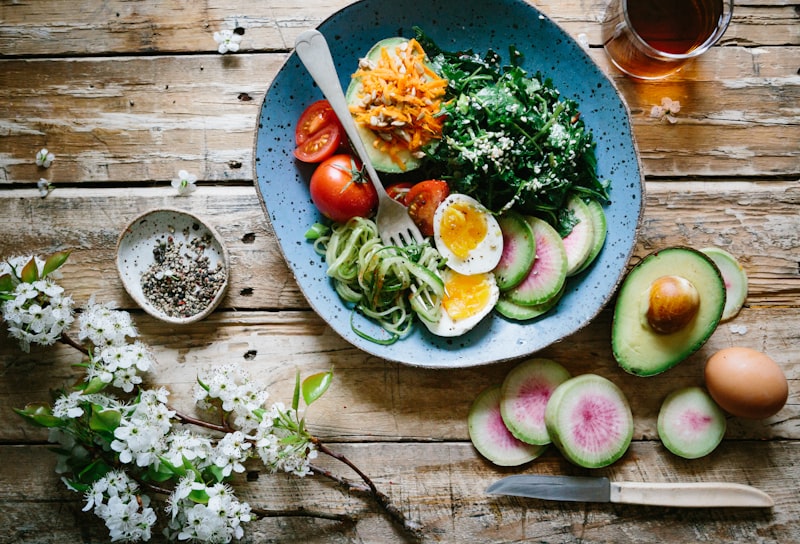
The ‘80%’ component represents your commitment to optimal nutrition. This includes a robust intake of fruits, vegetables, lean proteins, whole grains, and healthy fats. These are the foods that fuel your body, provide essential vitamins and minerals, support energy levels, and contribute to long-term disease prevention. Think vibrant salads, grilled salmon, quinoa, berries, and wholesome homemade meals.
Conversely, the ‘20%’ allows for flexibility and enjoyment. This portion accounts for those favorite treats, occasional restaurant meals, or social indulgences that bring you joy. It could be a slice of birthday cake, a glass of wine, a handful of chips, or a scoop of ice cream. The key distinction here is that this 20% is integrated into your overall eating pattern, not viewed as a ‘cheat meal’ that implies failure or guilt.
The Science Behind Flexible Eating and Its Benefits
The success of the 80/20 rule is rooted in both physiological and psychological principles, making it a powerful tool for sustainable health. It acknowledges the human need for both nourishment and pleasure, creating a less stressful environment around food choices.
Physiological Advantages:
- Nutrient Adequacy: By prioritizing nutrient-dense foods 80% of the time, you ensure a consistent supply of essential vitamins, minerals, fiber, and macronutrients vital for bodily functions, energy production, and cellular health.
- Stable Blood Sugar: The consistent intake of whole grains, lean proteins, and healthy fats helps to stabilize blood sugar levels, preventing the dramatic spikes and crashes often associated with highly processed, sugar-laden foods. This reduces cravings and improves energy.
- Reduced Cravings and Binges: Restrictive diets often lead to feelings of deprivation, which can trigger intense cravings and ultimately lead to uncontrolled binges. The planned flexibility of the 20% can significantly mitigate this ‘rebound effect,’ making cravings less potent.
- Improved Gut Health: A diet rich in fruits, vegetables, and whole grains (the 80%) promotes a diverse and healthy gut microbiome, which is crucial for digestion, immune function, and even mood regulation.
- Metabolic Flexibility: By consistently providing your body with a wide range of nutrients and avoiding prolonged periods of caloric restriction, the 80/20 approach can help maintain a healthy metabolic rate and prevent metabolic slowdown, a common side effect of extreme dieting.
Psychological Benefits:
- Mental Freedom and Reduced Guilt: Labeling foods as ‘good’ or ‘bad’ fosters guilt and anxiety. The 80/20 rule eliminates this dichotomy, promoting a more neutral and positive relationship with food. There’s no ‘falling off the wagon’ because the wagon allows for detours.
- Enhanced Adherence and Sustainability: The primary reason diets fail is their unsustainability. The flexibility of the 80/20 rule makes it a lifelong approach, as it’s adaptable to social situations, holidays, and everyday life, fostering long-term compliance without feeling deprived.
- Decreased Risk of Disordered Eating: By removing the pressure of perfection and allowing for mindful indulgence, this approach can help prevent the development of obsessive thoughts about food and the cycle of restriction and bingeing.
- Improved Body Image: A less restrictive approach to eating often translates to less stress about food and weight, promoting a healthier body image and greater self-acceptance. It shifts the focus from external rules to internal cues.
Implementing the 80/20 Rule in Your Daily Life
Successfully adopting the 80/20 rule healthy eating requires a shift in mindset and some practical planning. It’s not about strict counting, but about making conscious choices most of the time.
Practical Steps to Get Started:
- Assess Your Current Habits: Before making changes, take an honest look at your current diet. Are you closer to 50/50, or perhaps 70/30? This provides a baseline.
- Prioritize the 80% Foundation: Focus on making your staple meals (breakfast, lunch, dinner, and main snacks) predominantly nutrient-dense.
- Meal Planning: Plan your meals for the week with the 80% in mind. Batch cook grains, prepare lean proteins, and stock up on fruits and vegetables. Keep healthy snacks readily available to prevent impulsive unhealthy choices.
- Mindful Indulgence for the 20%: When you choose to indulge, do so mindfully. Savor the experience, enjoy the taste, and eat slowly. Pay attention to portion sizes – a treat doesn’t need to be supersized.
- Listen to Your Body: Tune into your hunger and fullness cues. Eat when you’re hungry, and stop when you’re comfortably full, even with your 20% choices.
- Stay Hydrated: Water is often overlooked but crucial for overall health and can sometimes be mistaken for hunger. Make sure you’re drinking enough throughout the day.
Common Pitfalls to Avoid:
- Misinterpreting the 20%: The 20% is not an excuse for an all-out binge. It’s about conscious flexibility, not uncontrolled consumption. Roughly speaking, if you eat 3 meals a day plus 2 snacks (5 eating occasions), over a week (35 occasions), about 7 of those can be ‘20%’ choices.
- Neglecting the Quality of the 80%: Ensure your 80% truly consists of whole, unprocessed foods. If your ‘healthy’ choices are still highly refined or laden with hidden sugars, you won’t reap the full benefits.
- Obsessive Counting: The beauty of the 80/20 rule is its flexibility. Don’t get bogged down in precise calculations. It’s a guideline, not a rigid mathematical equation. Focus on the overall pattern.
- Using Food for Emotional Regulation: While the 20% allows for enjoyment, be mindful if you’re consistently turning to food, especially indulgent items, to cope with stress, boredom, or sadness. Address underlying emotional needs.
Beyond Food: Applying the 80/20 Mindset to Overall Wellness
The philosophy of balance inherent in the 80/20 rule isn’t limited to food. You can extend this mindset to various aspects of your life to foster holistic well-being:
- Exercise: Aim for consistent, beneficial workouts (80%) while allowing for flexibility like active rest days, trying a new class, or just enjoying a casual walk (20%).
- Work-Life Balance: Dedicate 80% of your focused energy to your work or responsibilities, and 20% to hobbies, relaxation, and personal growth.
- Stress Management: Consistently practice stress-reducing activities (80%) and accept that some stressful events are unavoidable (20%), focusing on your coping mechanisms.
By applying this balanced perspective, you create a life that is both productive and enjoyable, minimizing burnout and maximizing satisfaction.
Conclusion: Embrace the Freedom of the 80/20 Rule Healthy Eating
The 80/20 rule healthy eating offers a powerful, sustainable, and liberating approach to nutrition. It’s a testament to the idea that true health isn’t found in rigid restriction but in mindful balance and consistent, positive choices. By prioritizing nutrient-dense foods most of the time and allowing for flexible indulgence, you cultivate a healthier body, a happier mind, and a relationship with food free from guilt and deprivation.
Embrace this principle, listen to your body, and enjoy the journey towards a more balanced and fulfilling wellness lifestyle. It’s about building habits that last, not just for a season, but for a lifetime.
Daily Health & Wellness Insights by Vigor Daily 🌿