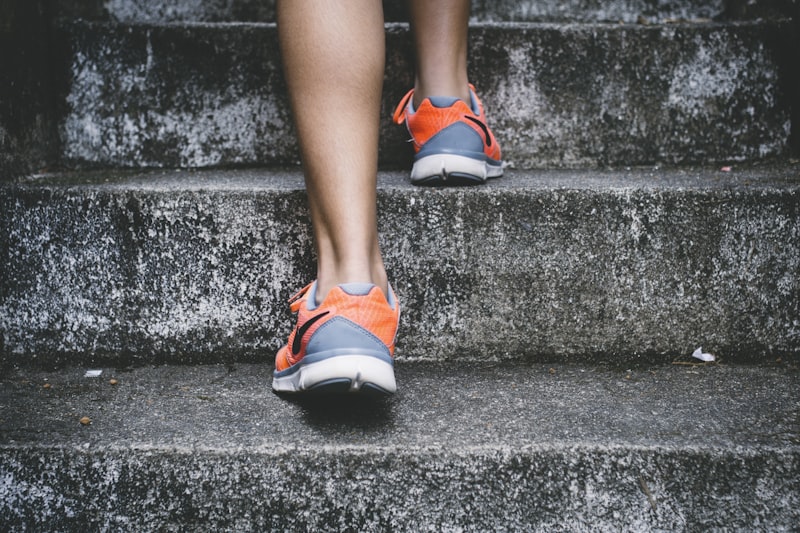
Walking is often underestimated in the realm of fitness, yet its power for health and especially for walking for weight loss is profound. It’s accessible, low-impact, and requires no special equipment, making it an ideal starting point or a consistent pillar in any wellness journey. Many wonder if simply putting one foot in front of the other can truly lead to significant changes on the scale.
The answer is a resounding yes, but with important nuances and strategies that transform a casual stroll into a powerful fat-burning, health-boosting activity. This comprehensive guide will delve deep into the science, practical applications, and holistic benefits of integrating walking into your daily routine to achieve your weight loss goals. We’ll explore how to maximize its effectiveness, understand the physiological changes it triggers, and make it a sustainable, enjoyable part of your life.
The Science Behind Walking for Weight Loss
At its core, weight loss boils down to creating a calorie deficit – burning more calories than you consume. Walking, particularly when done consistently and with adequate intensity, is an excellent way to increase your daily calorie expenditure. While not as intense as high-impact activities, its sustained nature makes it incredibly effective over time.
When you walk at a moderate pace, your body predominantly uses stored fat for fuel. This is often referred to as being in the ‘fat-burning zone.’ Unlike high-intensity exercises that quickly deplete carbohydrate stores, sustained moderate walking encourages your body to tap into its fat reserves, making it an efficient method for body fat reduction. Moreover, regular physical activity, including walking, helps to subtly boost your metabolic rate, meaning you burn more calories even at rest.
Beyond direct calorie burning, walking contributes to weight loss by preserving and even building lean muscle mass, especially if you incorporate inclines or varied terrains. Muscle is more metabolically active than fat, so maintaining or increasing it is crucial for a healthy metabolism. Furthermore, consistent walking can improve insulin sensitivity, helping your body process glucose more effectively and reducing fat storage, particularly around the abdomen. It also aids in regulating stress hormones like cortisol, which, when elevated, can contribute to weight gain.
Beyond the Scale: The Holistic Benefits of Regular Walking
While walking for weight loss is a primary goal for many, the benefits extend far beyond the number on the scale. Regular walking contributes significantly to overall health and well-being, improving various physiological and psychological aspects of life.
- Cardiovascular Health: Brisk walking strengthens your heart, improves blood circulation, lowers blood pressure, and helps manage cholesterol levels, significantly reducing the risk of heart disease and stroke.
- Mental Well-being: Walking is a powerful stress reliever. It releases endorphins, natural mood boosters, which can alleviate symptoms of anxiety and depression. It also promotes better sleep quality and enhances cognitive function.
- Joint Health: As a low-impact exercise, walking is gentle on the joints, making it suitable for people of all ages and fitness levels. It helps lubricate joints and strengthens the muscles and ligaments that support them, potentially reducing the risk of conditions like osteoarthritis.
- Bone Density: Walking is a weight-bearing exercise, meaning it forces you to work against gravity. This process stimulates bone growth and helps to strengthen bones, reducing the risk of osteoporosis later in life.
- Energy Levels: Counterintuitively, regular exercise like walking can combat fatigue and boost overall energy levels, making you feel more vibrant and productive throughout your day.
- Immune System Boost: Moderate, regular exercise has been shown to strengthen the immune system, making your body more resilient to common illnesses.
How to Maximize Your Walking for Weight Loss Efforts
To truly harness the power of walking for weight loss, it’s essential to move beyond casual strolling and adopt a more strategic approach. Small adjustments can significantly amplify your results.
- Duration and Frequency: Aim for at least 150 minutes of moderate-intensity activity per week, as recommended by health organizations. For more significant weight loss, target 45-60 minutes of brisk walking on most days of the week (5-7 days). You can even break this into shorter, more frequent walks throughout the day.
- Intensity Matters: A brisk pace is key. You should be able to talk but not sing during your walk – this is often called the ‘talk test.’ Incorporate speed bursts, where you walk as fast as possible for 1-2 minutes, then return to a moderate pace. This interval training can increase calorie burn and improve cardiovascular fitness.
- Incorporate Inclines: Walking uphill, whether on a treadmill or natural terrain, dramatically increases calorie expenditure and engages different muscle groups, particularly in your glutes and hamstrings. Look for routes with hills or use the incline feature on your treadmill.
- Proper Form: Maintain good posture: head up, shoulders back and relaxed, core engaged, and gaze forward. Swing your arms naturally at a 90-degree angle, driving them back and forth. Land softly on your heel and roll through to your toes, pushing off with intent. This maximizes efficiency and prevents injury.
- Track Your Progress: Utilize fitness trackers, smartwatches, or smartphone apps to monitor your steps, distance, pace, and estimated calories burned. Seeing your progress can be incredibly motivating and help you set new goals. A common initial goal is 10,000 steps per day, but personalize it to your starting point.
- Vary Your Routine: Explore different routes, terrains (paved paths, trails, beaches), and even walking partners to keep your walks interesting and challenging. Boredom can be a major barrier to consistency.
Fueling Your Journey: Nutrition and Hydration Synergy
While walking is a phenomenal tool for weight loss, it’s crucial to remember that exercise alone might not be enough if your diet isn’t aligned with your goals. Walking for weight loss is most effective when paired with mindful eating and proper hydration.
To create the necessary calorie deficit, pay attention to your food choices. Focus on a balanced diet rich in whole, unprocessed foods: lean proteins, plenty of fruits and vegetables, complex carbohydrates, and healthy fats. These foods provide sustained energy for your walks, aid muscle recovery, and keep you feeling fuller for longer. Portion control is also paramount; even healthy foods can contribute to a calorie surplus if consumed in excess.
Hydration is another often-overlooked component. Drinking enough water is essential for optimal metabolic function, nutrient transport, and energy levels. Dehydration can lead to fatigue, reduced performance, and even mistaken hunger cues. Aim for at least 8 glasses of water daily, and more when you’re active, to support your body’s systems and enhance your weight loss efforts.
Consistency is Key: Making Walking a Sustainable Habit
The true power of walking for weight loss lies in its consistency and sustainability. It’s not about temporary fixes but about establishing a lifelong habit that supports your health goals.
- Start Small and Build Up: Don’t feel pressured to start with an hour-long power walk every day. Begin with what feels manageable – even 15-20 minutes a few times a week – and gradually increase duration, frequency, or intensity as your fitness improves.
- Schedule Your Walks: Treat your walks like important appointments. Block out time in your calendar and commit to it. Whether it’s a morning walk to start your day, a lunchtime stroll to break up work, or an evening winding-down walk, make it a non-negotiable part of your routine.
- Find Your Motivation: What inspires you? Is it better health, more energy, fitting into old clothes, or simply enjoying nature? Connect with your ‘why’ and remind yourself of it often. Find a walking buddy, join a walking group, or listen to podcasts/music to make your walks more enjoyable.
- Overcome Obstacles: Bad weather? Walk indoors on a treadmill, in a shopping mall, or use walking workout videos. Lack of motivation? Remind yourself of how good you feel after a walk. Listen to your body and allow for rest days when needed to prevent burnout or injury.
- Celebrate Non-Scale Victories: Weight loss is a journey with ups and downs. Focus on the positive changes that aren’t reflected on the scale: increased energy, better sleep, improved mood, clothes fitting better, stronger muscles, and enhanced stamina. These are equally important indicators of progress and will keep you motivated.
In summary, the journey of walking for weight loss is a highly effective, accessible, and profoundly beneficial path to a healthier you. It’s more than just a physical activity; it’s a commitment to a lifestyle that enhances both your body and mind. By understanding the science, applying strategic techniques, and integrating it with mindful nutrition, walking can indeed be your most powerful ally in achieving and maintaining a healthy weight.
Embrace the simple yet profound act of walking. Step by step, you’re not just moving closer to your weight loss goals, but building a foundation for lifelong health and vitality. Make the commitment today to unlock the full potential of walking for weight loss.
Daily Health & Wellness Insights by Vigor Daily 🌿