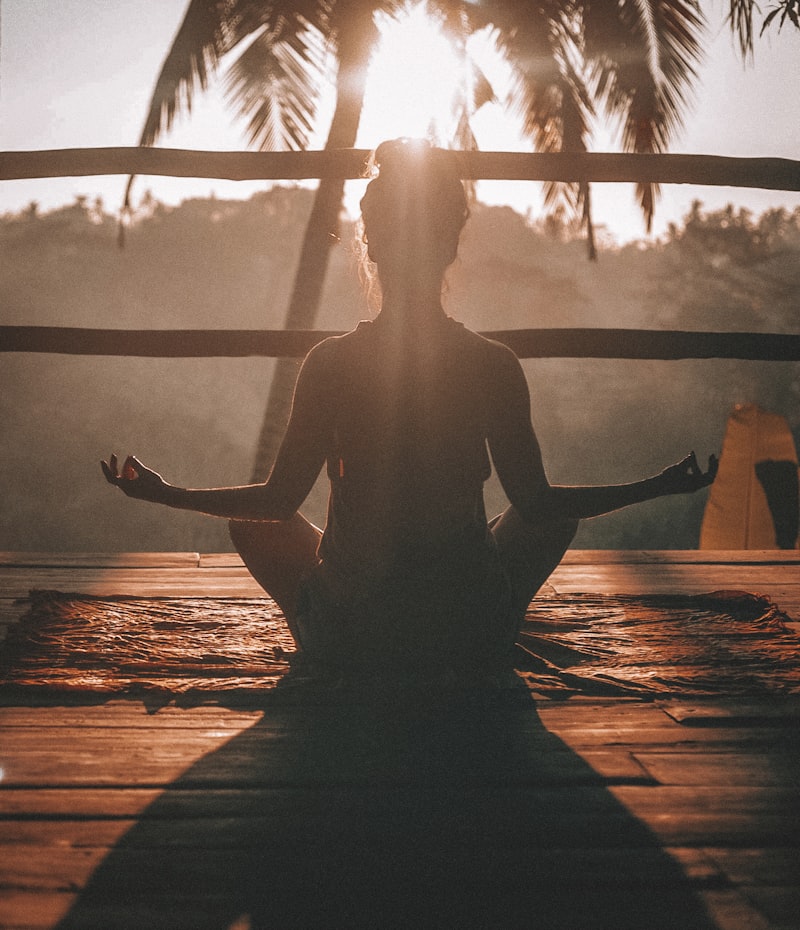
In our fast-paced world, stress has become an unwelcome constant. Deadlines loom, to-do lists multiply, and the relentless hum of modern life often leaves us feeling overwhelmed and depleted. But what if you could tap into an immediate, potent tool for calm, available to you anytime, anywhere? The answer lies within: your breath. This column delves deep into a powerful, yet simple, one-minute stress relief breathing trick, showing you how to reclaim your peace of mind and body in moments.
We’re not just talking about a superficial sigh; we’re exploring a scientifically-backed technique that can profoundly alter your physiological and psychological state. Understanding the mechanics of how conscious breathing impacts your nervous system is the first step towards truly harnessing its potential. Prepare to unlock a natural antidote to daily pressures, available right at your fingertips.
The Unseen Power: How Breath Controls Your Stress Response
To truly appreciate the one-minute breathing trick, it’s essential to understand the intricate connection between your breath and your nervous system. Our bodies operate largely under the influence of the Autonomic Nervous System (ANS), which governs involuntary functions like heart rate, digestion, and – crucially – our stress response. The ANS has two main branches: the Sympathetic Nervous System (SNS) and the Parasympathetic Nervous System (PNS).
The Sympathetic Nervous System is our ‘fight or flight’ mechanism. When activated by stress, it floods your body with hormones like cortisol and adrenaline, increasing heart rate, blood pressure, and muscle tension. This is a vital response in genuine emergencies, but chronic activation due to everyday stressors takes a heavy toll. Conversely, the Parasympathetic Nervous System is your ‘rest and digest’ system. It promotes relaxation, slows heart rate, aids digestion, and conserves energy.
The key to shifting from stress to calm lies in intentionally activating your PNS. This is where conscious breathing comes in. The vagus nerve, a major component of the PNS, runs from your brainstem to your abdomen, influencing everything from heart rate to mood. Slow, deep, diaphragmatic breathing, particularly with an emphasis on a longer exhale, directly stimulates the vagus nerve. This stimulation sends a powerful signal to your brain that you are safe, triggering a cascade of calming physiological responses.
- Reduced Cortisol: Deep breathing helps lower levels of the stress hormone, cortisol.
- Lower Heart Rate: It activates the PNS, slowing your heart rate and promoting a sense of calm.
- Improved Oxygenation: Conscious breathing increases oxygen delivery to your brain and body, enhancing clarity and reducing fatigue.
- Neurotransmitter Modulation: It can influence the release of calming neurotransmitters like GABA and serotonin.
By consciously controlling your breath, you gain a direct pathway to influence these involuntary systems, turning down the volume on stress and amplifying your body’s natural relaxation response.
Introducing the “Calm Reset”: Your One-Minute Stress Relief Breathing Technique
While many breathing techniques exist, the most effective for rapid stress relief breathing is often a simple, mindful diaphragmatic breath with an extended exhale. We’ll call this the “Calm Reset” technique – a powerful tool designed to quickly activate your parasympathetic nervous system and bring you back to a state of equilibrium. It takes less than 60 seconds and can be done anywhere, anytime.
The essence of the “Calm Reset” lies in shifting from shallow, chest breathing (common during stress) to deep, belly breathing, and purposefully elongating your exhalation. This specific pattern is profoundly effective in signaling safety to your brain, interrupting the stress cycle almost immediately. It’s not about complex counts, but about intention and sensation.
Step-by-Step: Practicing the “Calm Reset”
- Find Your Posture: Sit or stand comfortably with your spine tall but relaxed. You can also lie down if preferred. Gently place one hand on your chest and the other on your belly, just above your navel.
- Initial Awareness: Take a few normal breaths, noticing which hand moves more. If it’s your chest hand, you’re likely chest breathing. The goal is for your belly hand to move significantly more.
- Deep Inhale (4 Counts): Slowly inhale through your nose for a count of four. As you inhale, feel your belly rise, pushing your hand outwards. Your chest should remain relatively still. Imagine filling a balloon in your abdomen.
- Gentle Hold (2 Counts – Optional): Briefly hold your breath for a count of two, if comfortable. This is a subtle pause.
- Extended Exhale (6 Counts): Slowly, gently exhale through your mouth (or nose if preferred), making a soft whooshing sound, for a count of six. As you exhale, feel your belly gently contract inwards. Focus on releasing all the air. The longer exhale is crucial for vagal nerve stimulation.
- Repeat and Feel: Repeat this cycle (inhale 4, hold 2, exhale 6) for one minute. Pay attention to the sensations in your body – the rise and fall of your belly, the slowing of your heart, the easing of tension.
The beauty of this technique is its simplicity. You don’t need a quiet room or a specific time slot. You can do it at your desk, in your car (when parked), before a presentation, or during a stressful conversation. The key is to remember it’s always available to you.
Immediate and Long-Term Benefits of Consistent Stress Relief Breathing
Integrating this one-minute practice into your daily routine offers a wealth of benefits, both in the immediate aftermath of a stressful moment and as a cumulative effect over time.
- Instant Calm: The most immediate benefit is a noticeable reduction in feelings of anxiety and overwhelm. Your heart rate slows, muscle tension eases, and your mind feels clearer.
- Enhanced Focus and Clarity: By increasing oxygen to the brain and calming the nervous system, you’ll find it easier to concentrate and make decisions, even under pressure.
- Improved Emotional Regulation: Regular practice helps you develop a greater capacity to observe your emotions without being consumed by them, fostering a more balanced emotional state.
- Better Sleep Quality: Practicing mindful breathing before bed can significantly improve sleep onset and quality by signaling to your body that it’s safe to rest.
- Boosted Immune System: Chronic stress suppresses the immune system. By reducing stress, you naturally support your body’s ability to fight off illness.
- Lower Blood Pressure: Consistent activation of the PNS through deep breathing can contribute to a healthy reduction in blood pressure over time.
- Increased Resilience: You’ll build a greater capacity to bounce back from challenging situations, feeling less reactive and more in control.
These benefits aren’t just theoretical; they are backed by a growing body of scientific research validating the profound impact of conscious breathwork on overall health and well-being.
Mastering Stress Relief Breathing for Daily Well-being
The true power of this one-minute technique lies in its consistent application. It’s not about perfection, but about presence. Here are some strategies for seamlessly integrating stress relief breathing into your daily life, transforming it from a quick fix into a foundational pillar of your well-being.
- Scheduled Micro-Breaks: Set an alarm to practice for one minute every couple of hours. These short pauses can reset your day.
- Trigger-Based Practice: Identify common stress triggers (e.g., checking emails, rush hour traffic, difficult conversations) and use them as a cue to take your one-minute breath.
- Morning and Evening Ritual: Start your day with a few minutes of mindful breathing to set a calm tone, and end it with the same practice to unwind before sleep.
- Before High-Stakes Moments: Prior to a meeting, presentation, or challenging discussion, take a minute to center yourself. This can significantly improve performance and composure.
- During Intense Emotions: When you feel anger, frustration, or fear rising, pause and engage in the “Calm Reset.” It provides a healthy alternative to reactive responses.
Remember, consistency is far more important than intensity. Even a single minute, several times a day, can create significant positive shifts. Over time, this conscious breathing will become a natural, automatic response, strengthening your ability to remain calm and focused amidst life’s inevitable challenges.
Common Pitfalls and Tips for Success
While the “Calm Reset” is straightforward, some common challenges can arise. Being aware of these can help you optimize your practice:
- “I Don’t Have Time”: This is perhaps the biggest barrier. Remind yourself that one minute is negligible compared to the time lost to stress-induced inefficiency or poor decisions. It’s an investment, not a time drain.
- Judging Your Breath: Don’t strive for a ‘perfect’ breath. Some days it will feel easier, some days harder. The goal is simply to bring awareness and intention to the breath, not to achieve a specific outcome.
- Feeling Dizzy or Lightheaded: This can happen if you’re over-breathing or not used to deep breathing. If it occurs, return to normal breathing for a moment and then try again more gently, focusing less on force and more on smoothness.
- Distraction: Your mind will wander. That’s perfectly normal. When you notice it, gently guide your attention back to the sensation of your belly rising and falling. Each return is a strengthening of your mindfulness muscle.
Embrace the journey with patience and self-compassion. The more you practice, the more intuitive and effective this powerful tool will become. It’s about building a healthier relationship with your body and mind, one breath at a time.
Conclusion: Your Breath, Your Powerhouse for Stress Relief Breathing
The power of the one-minute stress relief breathing trick is not just in its simplicity, but in its profound impact on your entire being. By consciously choosing to breathe deeply and mindfully, you are actively engaging your body’s natural relaxation response, offering an immediate antidote to the pervasive pressures of modern life. This isn’t just a fleeting trend; it’s a timeless, accessible, and scientifically validated practice that empowers you to take control of your internal state.
Embrace the “Calm Reset” as your secret weapon against stress. Make it a non-negotiable part of your day, a brief but potent ritual that grounds you, clarifies your mind, and restores your sense of peace. Your breath is a constant companion, an always-available source of calm, waiting for you to harness its incredible potential. Start today, and discover the profound difference one minute of conscious breathing can make.
Daily Health & Wellness Insights by Vigor Daily 🌿