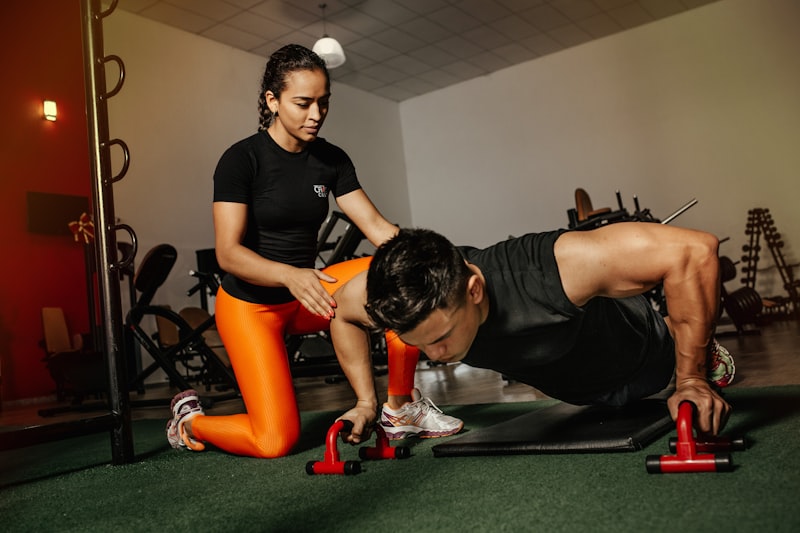
In the vast landscape of fitness exercises, few movements hold as much fundamental power and practical utility as the squat. Often relegated to the realm of hardcore gym enthusiasts, the truth is that the squat is a foundational human movement, essential for daily life. Mastering functional strength squats can unlock a profound improvement in your overall physical well-being, enhancing everything from your ability to pick up groceries to maintaining independence in old age. This deep dive will explore how this seemingly simple exercise is a cornerstone of health, mobility, and resilience, offering benefits that extend far beyond aesthetics.
Beyond the Gym: The Everyday Relevance of Squats
Think about your day-to-day activities. Every time you sit down on a chair, stand up from the toilet, bend to pick up a child or a dropped item, or even descend stairs, you are performing a variation of a squat. These movements are so ingrained in our existence that we often take them for granted until they become challenging or painful. The ability to execute a strong, controlled squat is directly correlated with your capacity to navigate the world with ease and confidence.
Unlike isolated exercises that target a single muscle, squats engage multiple muscle groups and joints simultaneously, making them incredibly efficient and effective. This multi-joint nature is precisely what makes them “functional” – they train your body to work as a cohesive unit, mirroring the complex demands of real-life movement. Understanding this foundational relevance is the first step toward appreciating their profound impact on daily strength and longevity.
The Biomechanics of a Perfect Squat: A Symphony of Muscles
While various squat forms exist, the basic bodyweight squat involves a precise coordination of several major muscle groups. Executing a perfect squat means sending your hips back and down as if sitting in a chair, keeping your chest up, and ensuring your knees track in line with your toes. Your feet should be roughly shoulder-width apart, and your weight distributed evenly through your heels and mid-foot. The depth you achieve should be comfortable, ideally with your thighs parallel to the ground or lower, provided your form remains sound.
The primary movers during a squat are the muscles of your lower body: the quadriceps (front of thighs), hamstrings (back of thighs), and the powerful gluteal muscles (buttocks). However, the squat is much more than a leg exercise. Your core muscles (abdominals, obliques, lower back) are critically engaged to stabilize your spine and maintain an upright posture. Even your upper back and shoulders play a role in keeping your torso stable, especially as you add resistance. It is a true full-body, compound movement that builds integrated strength.
- Quadriceps: Primarily responsible for knee extension and driving you back up.
- Hamstrings: Act as synergists, assisting with hip extension and knee flexion during the descent.
- Glutes: Powerful hip extensors, crucial for standing up from the bottom of the squat.
- Adductors (Inner Thigh): Help stabilize the hips and knees.
- Calves: Provide stability and assist with ankle dorsiflexion.
- Core Stabilizers: Rectus abdominis, obliques, erector spinae, and transverse abdominis work synergistically to protect the spine and transfer force.
Physiological Benefits: A Deep Dive into Your Body’s Transformation
The consistent practice of squats, especially functional strength squats, triggers a cascade of physiological adaptations that enhance physical health from multiple angles. These benefits extend beyond just muscle gain, impacting bone density, joint health, and even metabolic function.
Firstly, the most obvious benefit is muscle development. Squats are unparalleled in their ability to build significant muscle mass in the lower body. Stronger quads, glutes, and hamstrings not only improve aesthetics but are fundamental for power, speed, and endurance in nearly all physical activities. Increased muscle mass also contributes to a higher resting metabolic rate, meaning your body burns more calories even at rest, aiding in weight management.
Beyond muscles, squats are a potent stimulus for bone density improvement. As a weight-bearing exercise, squats place stress on your bones, particularly in the hips and spine, signaling them to become stronger and denser. This is crucial for preventing osteoporosis, a condition characterized by brittle bones, especially as we age. Regular squatting can significantly reduce the risk of fractures and maintain skeletal integrity throughout life.
Moreover, squats contribute significantly to joint health. When performed with proper form, squats help lubricate the knee and hip joints, promoting the production of synovial fluid, which nourishes cartilage and reduces friction. They also strengthen the ligaments and tendons surrounding these major joints, enhancing stability and reducing the likelihood of injury. This is a critical factor for maintaining pain-free movement and preserving mobility for decades.
The engagement of such large muscle groups also provides a substantial metabolic boost. The energy demand required to perform multiple sets of squats elevates your heart rate, improving cardiovascular endurance over time. This makes squats an effective exercise for improving body composition, reducing body fat, and managing blood sugar levels. They can contribute to better insulin sensitivity, which is vital for preventing type 2 diabetes.
Finally, squats can elicit a beneficial hormonal response. Intense compound movements like squats stimulate the release of anabolic hormones, such as human growth hormone (HGH) and testosterone, in both men and women. These hormones are essential for muscle repair, growth, and overall tissue regeneration, contributing to a more youthful and resilient physique. This hormonal surge aids in recovery and promotes a general sense of vitality.
Transforming Daily Life: Practical Applications of Functional Strength Squats
The true power of integrating squats into your routine lies in their practical, real-world applications. The strength and mobility gained directly translate into a more comfortable, capable, and confident daily existence.
- Improved Mobility and Flexibility: Deep squats enhance the range of motion in your hips, knees, and ankles. This improved flexibility means easier movement, less stiffness, and a greater ability to perform tasks that require bending or reaching low.
- Enhanced Balance and Stability: The act of squatting challenges your balance and requires significant core engagement. Over time, this strengthens the small stabilizing muscles around your joints and improves proprioception (your body’s sense of its position in space), significantly reducing the risk of falls, particularly as you age.
- Pain Reduction and Injury Prevention: Many common aches and pains, especially in the lower back and knees, can stem from muscle imbalances and weakness. Strong glutes, quads, and a stable core developed through squats provide better support for your spine and joints, alleviating stress and preventing injuries during daily activities. It improves posture, reducing strain on the back.
- Easier Everyday Tasks: From lifting heavy grocery bags without strain to effortlessly getting up from a low couch, or even gardening comfortably, squats make common daily movements feel less strenuous and more natural. They equip your body with the strength needed to handle life’s physical demands with ease.
- Boosted Athletic Performance: For athletes, squats are a cornerstone exercise. They develop explosive power in the legs and hips, which is critical for jumping higher, running faster, and executing powerful movements in sports like basketball, soccer, and track and field. Even recreational sports enthusiasts will notice a significant improvement in their game.
- Mental Fortitude and Body Awareness: Consistently challenging yourself with squats builds mental resilience and discipline. The focus required for proper form also enhances your body awareness, fostering a stronger mind-muscle connection and a deeper understanding of your own physical capabilities.
Squat Variations for All Levels and Goals
The beauty of squats lies in their versatility. There’s a squat variation for everyone, from beginners to advanced lifters, and for various goals, whether it’s building muscle, improving mobility, or rehabilitating an injury. Starting with the basics and progressively challenging yourself is key.
- Bodyweight Squats: The foundation. Focus on perfect form before adding weight. These are excellent for warm-ups, high-rep endurance, and mastering the movement pattern.
- Goblet Squats: Holding a dumbbell or kettlebell against your chest. This variation helps maintain an upright torso, encourages depth, and starts building strength with external load.
- Box Squats: Squatting down to touch a box or bench before standing up. This helps ensure proper depth and can build confidence by providing a target to aim for, also allowing for controlled descent and explosion on the way up.
- Bulgarian Split Squats: A unilateral (one-legged) exercise where one foot is elevated behind you. Excellent for identifying and correcting muscle imbalances, building single-leg strength, and improving balance.
- Sumo Squats: Wider stance with toes pointed slightly out. This variation places more emphasis on the adductors (inner thighs) and glutes, offering a different muscular stimulus.
- Overhead Squats: Holding a bar or stick overhead. This advanced variation demands significant core stability, shoulder mobility, and overall body coordination, highlighting any mobility restrictions.
Always prioritize form over weight or depth. It is better to perform fewer, perfect repetitions than many sloppy ones. As you get stronger, you can gradually increase the challenge by adding resistance, increasing repetitions, or trying more advanced variations. The goal is continuous, sustainable progress.
Integrating Squats into Your Routine: Practical Tips for Lasting Results
To truly reap the extensive benefits of squats, consistent and mindful integration into your fitness regimen is essential. It’s not about doing them perfectly once, but about making them a regular part of your life.
- Start with Proper Form: If unsure, watch instructional videos, consult a certified trainer, or even record yourself to check your technique. Bad form can lead to injury and negate benefits.
- Warm-up Adequately: Before squatting, prepare your body with dynamic stretches like leg swings, hip circles, and light cardio. This increases blood flow and joint mobility.
- Listen to Your Body: Pay attention to any pain signals. A distinction must be made between muscle fatigue and sharp, joint pain. If you experience the latter, stop and reassess.
- Progress Gradually: Don’t try to lift too much weight or perform too many reps too soon. Follow the principle of progressive overload by slowly increasing resistance, sets, or reps as your strength improves.
- Consistency is Key: Aim to incorporate squats 2-3 times per week, allowing for rest days in between. Even short sessions of bodyweight squats daily can build a strong foundation.
- Breathe Effectively: Proper breathing during squats (inhale on the way down, exhale on the way up) helps stabilize the core and provides energy for the movement.
Remember, making squats a habit is an investment in your future self. Each repetition is a step towards a more mobile, stronger, and healthier you. Don’t underestimate the compounding effect of consistent effort.
The Psychological Edge of Squatting
Beyond the tangible physical benefits, squatting regularly also offers profound psychological advantages. The discipline required to consistently challenge your body and push your limits translates into increased mental fortitude. Successfully achieving new personal bests in squat depth or weight builds significant confidence and a sense of accomplishment, which can positively spill over into other areas of your life.
Furthermore, the focus and concentration needed to maintain proper form during complex movements like squats can serve as a form of active meditation. It helps to ground you in the present moment, fostering a stronger mind-muscle connection and reducing stress. This engagement with your body and its capabilities can significantly enhance self-efficacy and body image, contributing to overall mental well-being and a healthier relationship with your physical self.
Conclusion: Embrace the Foundation of Functional Strength Squats
The journey to enhanced physical well-being doesn’t require exotic equipment or complex routines; sometimes, it simply demands a return to fundamental movements. The squat, in its various forms, stands as a testament to this truth. By consistently engaging in functional strength squats, you are not merely exercising; you are actively investing in your mobility, stability, bone health, metabolic efficiency, and overall resilience. This powerful exercise forms the bedrock upon which a life of independence, vitality, and strength can be built.
So, whether you are aiming to perform better in sports, reduce daily aches, or simply enjoy a more active and pain-free life as you age, embrace the profound benefits of the squat. Start today, prioritize good form, and commit to integrating this king of exercises into your routine. Your body, and your future self, will undoubtedly thank you for it.
Daily Health & Wellness Insights by Vigor Daily 🌿